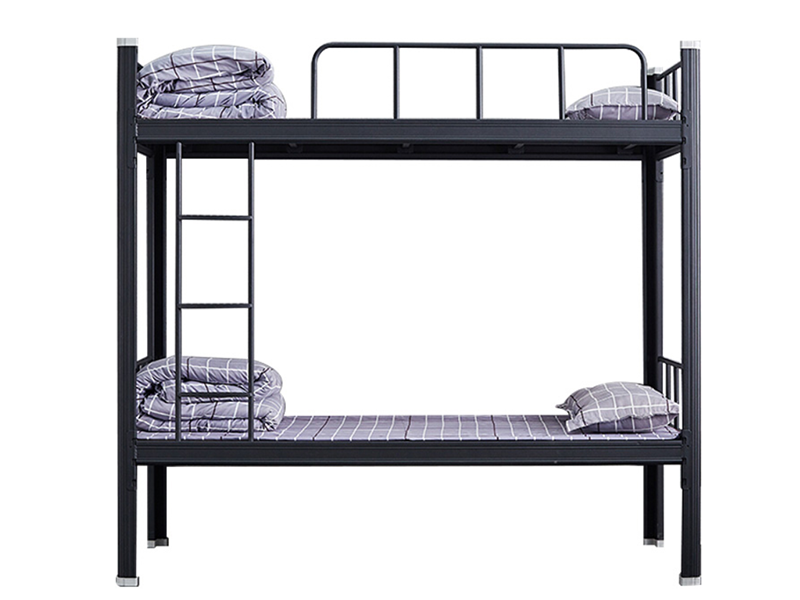
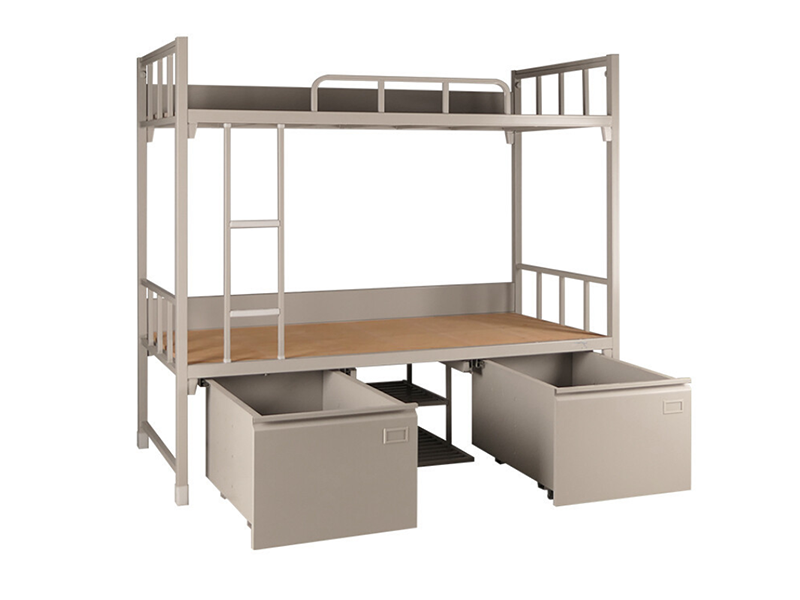
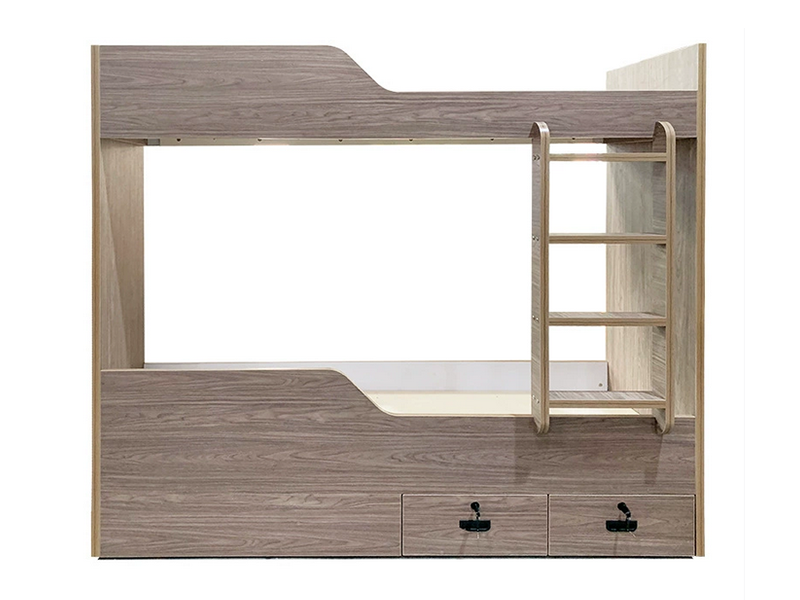
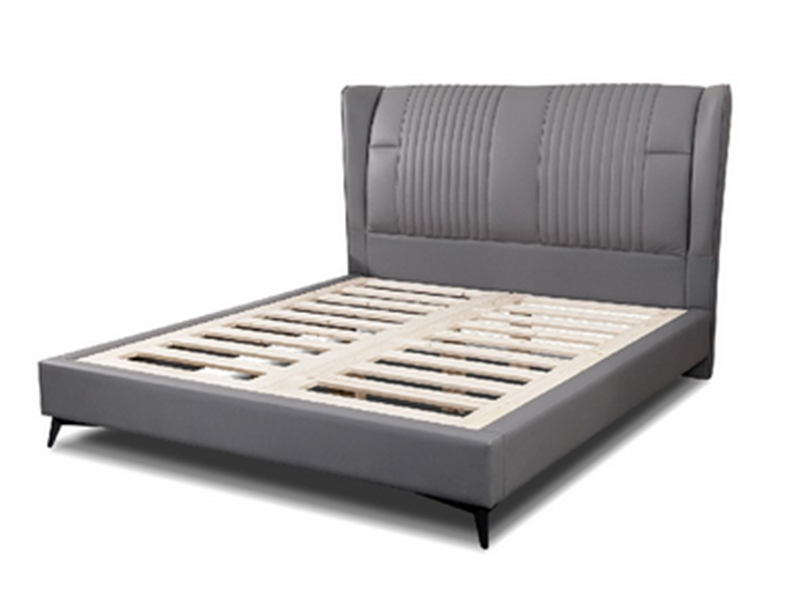
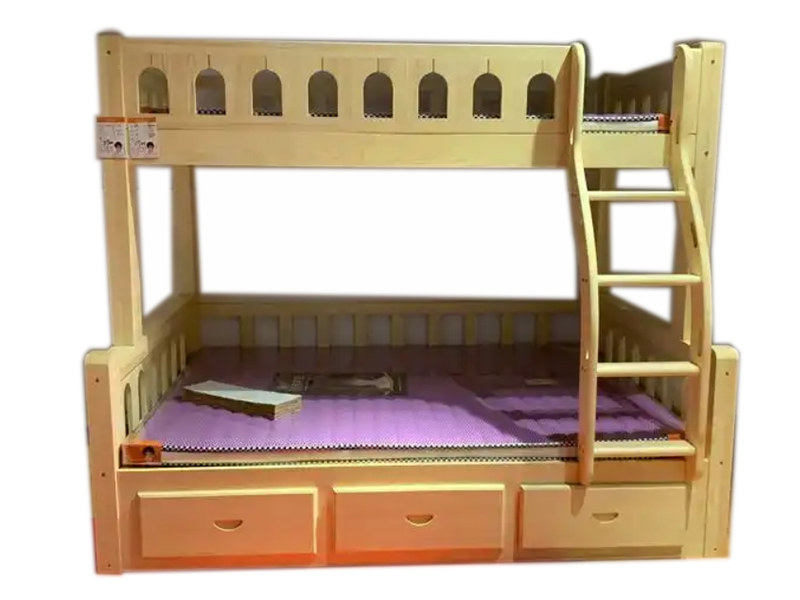
A marine bed is a special - purpose cabin furniture designed for ships, yachts, and offshore platforms. It integrates space - efficient design, maritime environmental resistance, and safety compliance to meet the sleeping needs of crews and passengers in the confined and harsh marine environment.
- Upper Bed Guardrail: Height ≥150mm (complying with IMO safety regulations), preventing falls during vessel swaying.
- Anti - Slip Ladder: Textured surface or non - slip rubber pads, ensuring safe access to the upper bed.
- Fixed Installation: Secured to the bulkhead/deck with marine - grade fasteners, resisting vibration loads (ISO 6185 standard).
- Under - Bed Storage: Drawers (steel/aluminum) or compartments, increasing storage capacity by 30–50% for personal items.
- Folding Mechanism: Wall - mounted beds can be folded to a thickness of ≤100mm, releasing cabin space during the day.
- Mattress: Optional marine - specific mattresses (fire - retardant, anti - mite, water - repellent), with a hardness of 35–45 Shore C for pressure relief.
- Surface Treatment: Steel beds use powder coating (RAL color - matched), aluminum beds use electrophoretic coating, enhancing corrosion and scratch resistance.
- Fire Safety: Upholstery and materials meet IMO FTPC Part 8 (Class B - 15 fire - retardant standard).
- Structural Compliance: Pass CCS, DNV, ABS certifications, with a static load capacity of ≥150kg (EN 1728 standard).
- Vibration Resistance: Tested to ISO 6185 (5–30Hz), ensuring no structural damage during long - term navigation.
- Crew Accommodation: Steel bunk beds with storage drawers, meeting the long - term living needs of crews.
- Passenger Vessels: Aluminum single beds or folding beds, balancing comfort and space efficiency.
- Offshore Platforms: Galvanized steel bunk beds, resisting salt 雾 and harsh industrial environments.
Value Proposition: Through marine - grade material selection, space - optimized design, and strict compliance, marine beds provide a safe, durable, and comfortable sleeping solution for all types of vessels, maximizing the use of limited cabin space.