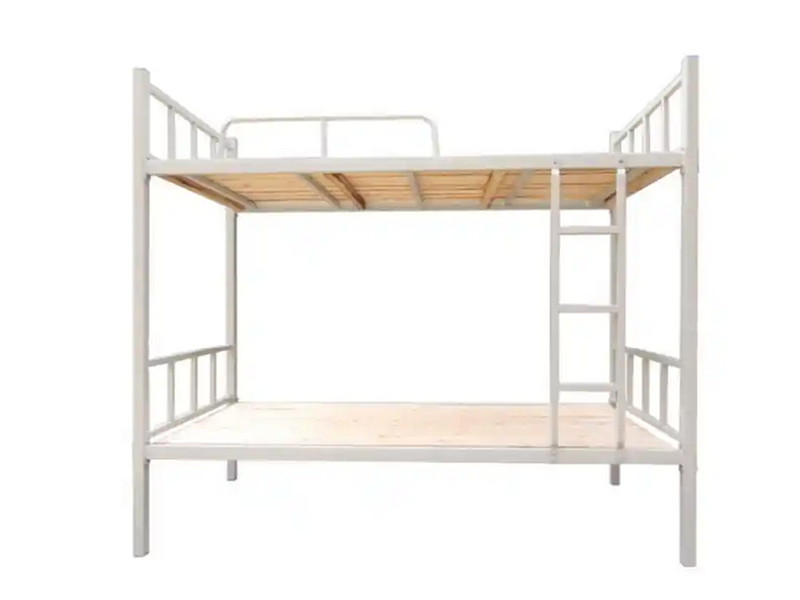
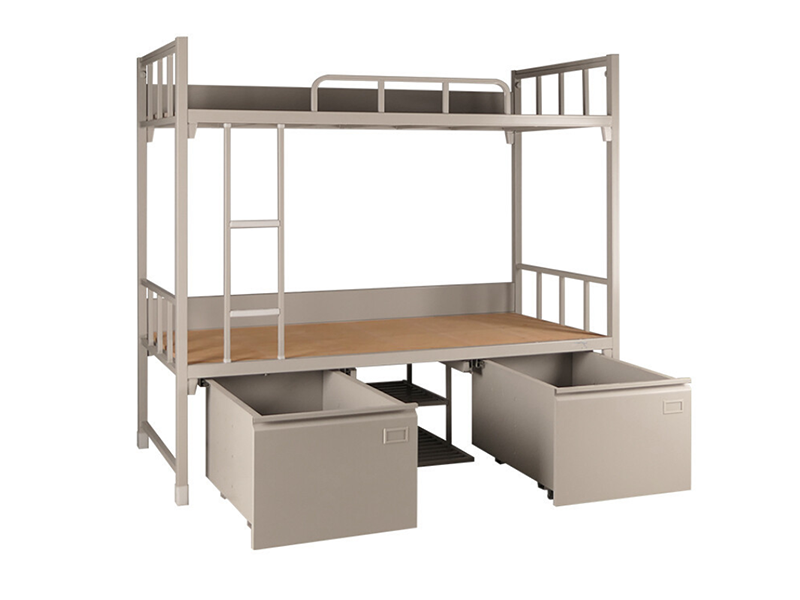
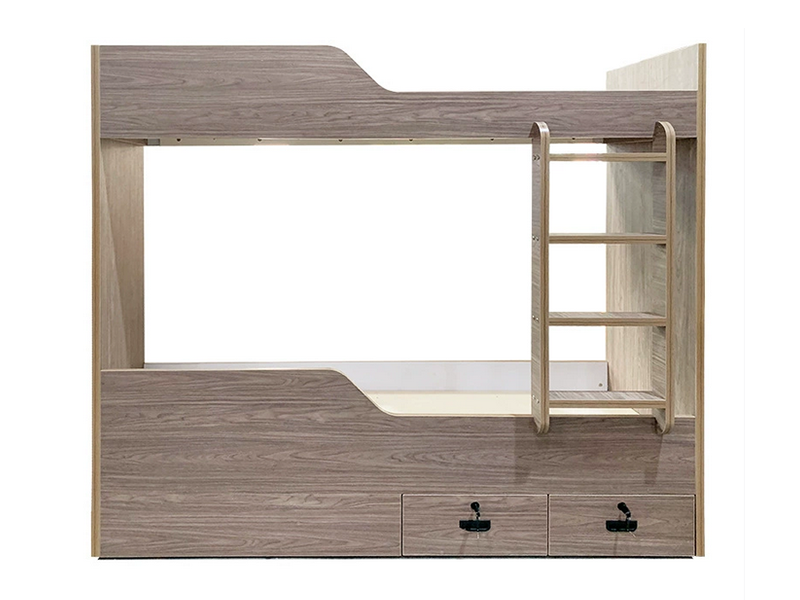
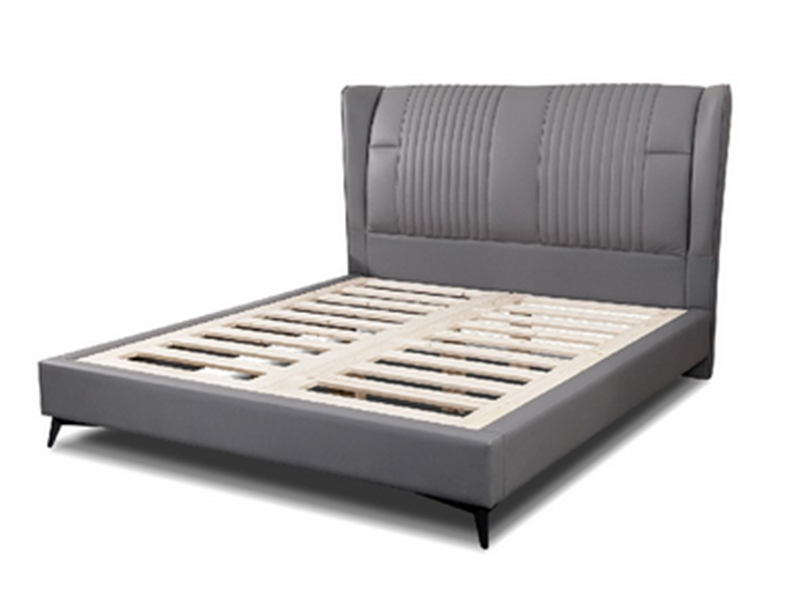
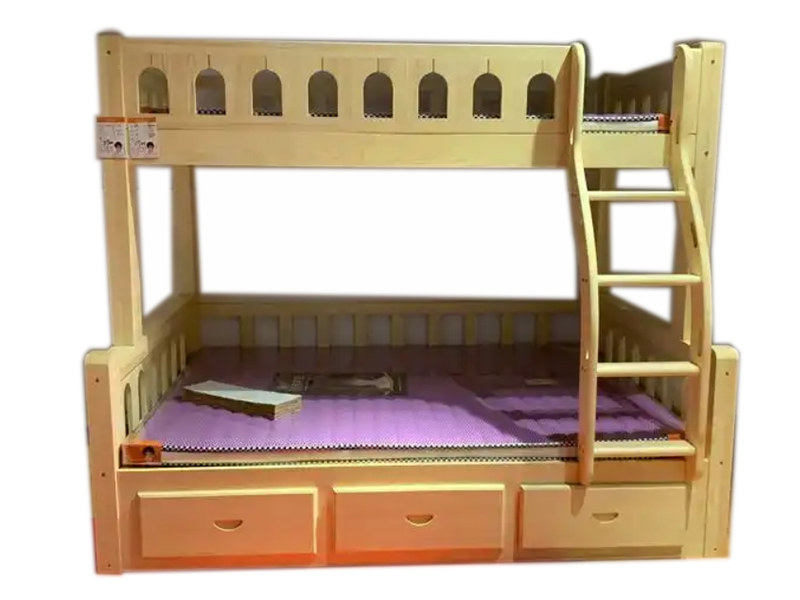
Marine beds are specialized cabin furniture engineered for ships, yachts, and offshore platforms. They integrate space - efficient design, corrosion resistance, and maritime safety compliance to meet sleeping needs in confined, harsh marine environments (e.g., saltwater, vibration, limited space).
- Upper Bed Guardrail: Height ≥150mm (IMO safety standard) to prevent falls during vessel sway.
- Anti - Slip Ladder: Textured/rubber - padded steps for secure access to upper beds.
- Fixed Installation: Secured to bulkheads/decks with marine - grade fasteners, tested to ISO 6185 (5–30Hz vibration resistance).
- Under - Bed Storage: Drawers (steel/aluminum) or compartments add 30–50% storage for personal items.
- Folding Mechanism: Wall - mounted beds fold flat, releasing cabin space during the day.
- Mattress: Optional marine - specific models (fire - retardant, anti - mite, water - repellent), 35–45 Shore C hardness for pressure relief.
- Surface Treatment: Steel beds use powder coating (RAL - matched); aluminum beds use electrophoretic coating for corrosion/scratch resistance.
- Fire Safety: Upholstery/materials meet IMO FTPC Part 8 (Class B - 15 fire - retardant).
- Structural Certification: Pass CCS, DNV, ABS tests, with static load ≥150kg (EN 1728 standard).
- Vibration Resistance: Validated to ISO 6185 to ensure no structural damage during long - term navigation.
- Crew Accommodation: Steel bunk beds with storage drawers (e.g., marine steel bunk beds with 2–4 drawers).
- Passenger Vessels: Aluminum single/folding beds (balance comfort and space efficiency).
- Offshore Platforms: Galvanized steel bunk beds (resist salt spray and harsh industrial environments).
Value: Marine beds leverage marine - grade materials, space - optimized design, and strict compliance to deliver safe, durable, and space - efficient sleeping solutions for all vessel types, maximizing limited cabin space in harsh marine conditions.